The dealership floor smells like lemon polish and cold, filtered air. You sit in the driver’s seat of a sixty-thousand-dollar machine, hands tracing the stitching on the leather steering wheel. The salesman stands outside the window, nodding in approval, rattling off a list of features that sound more like a spa day than a workhorse specification. The heated mirrors, the power-deploying running boards, and the twin-panel moonroof are presented as undeniable upgrades to your hauling life.
Out on the sweltering blacktop of a summer boat ramp, the reality of that showroom promise often shatters. Chrome badges and massaging seats do not pull a thirty-foot camper up a seven percent grade. Physics does. And physics is entirely indifferent to the badge on your tailgate.
There is a quiet friction between what looks capable and what actually is. You might assume that paying the absolute maximum price for the highest trim guarantees the maximum capability. But out in the world of heavy loads and burning brake pads, the exact opposite is usually true.
The Payload Paradox
Let us think of your truck as a heavy-duty backpack with a strictly enforced weight limit. Every single pound of equipment you bolt onto the frame takes a pound away from what you can legally and safely carry in the bed or hang on the hitch. This invisible ceiling is your Gross Vehicle Weight Rating.
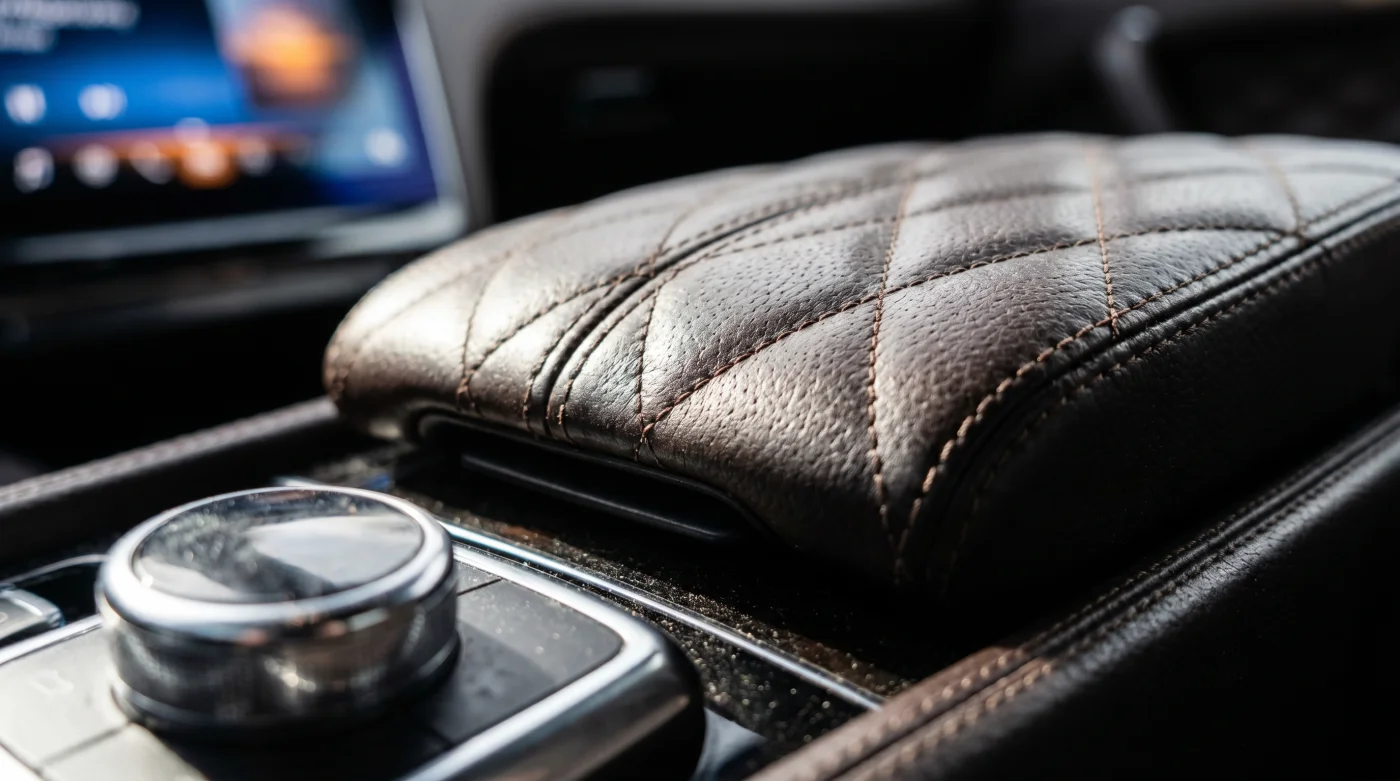
This is the hidden mathematics of the payload rating. Those gorgeous panoramic sunroofs, power running boards, and twenty-two-inch aluminum wheels are startlingly heavy. When you buy a Platinum or Limited trim, you are spending thousands of dollars to pre-fill your backpack with heavy luxury items before you ever attach a trailer.
The dealership rarely mentions that a base-level or mid-range model, stripped of the motorized heavy-weight features, leaves far more capacity for your actual gear. The true towing champion is not the one dressed in a tuxedo; it is the one wearing work boots.
Marcus Thorne, a 48-year-old hotshot driver who hauls horse trailers across the Texas Hill Country, learned this the hard way. He traded his old fleet truck for a fully loaded, top-tier model, only to find the rear suspension bottoming out over every bridge joint on Interstate 35. ‘I was carrying five hundred pounds of sound deadening, speaker magnets, and seat motors,’ Marcus explained over a cracked cup of diner coffee. ‘I paid thirty grand extra to lose eight hundred pounds of towing capacity. I traded it back for an XLT with the Max Trailer Tow package two weeks later, and suddenly, the truck breathed easy again.’
Finding Your Trim Sweet Spot
Understanding this payload drain allows you to shop with precision rather than ego. How you configure the metal depends entirely on what you intend to pull behind it.
For the Weekend Boater: If you are pulling a fiberglass hull down to the local marina, you do not need the absolute ceiling of the towing limits. A Lariat trim strikes a fair balance. You get the heated leather and upgraded dashboard without the crushing weight of the heaviest tech packages. You sacrifice a little hitch capacity, but the trade-off feels justified for daily comfort over short, flat distances.
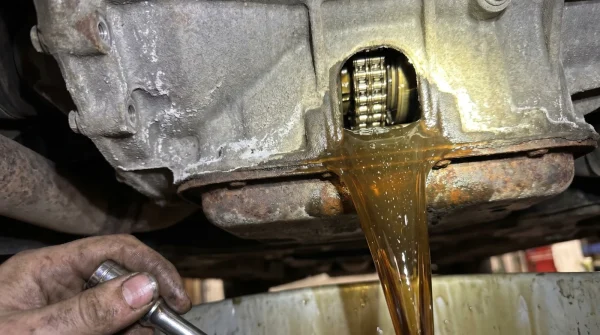
- Mechanics reveal the 5-minute fluid rule that pushes a CVT transmission past 200,000 miles
- The specific month you should buy a Kia Telluride to avoid the massive dealer markup
- The fatal engineering flaw pushing Subaru Outback owners to buy Toyota RAV4s
- Dealerships are hiding the best Ford F-150 trim for maximum towing capacity
- Mechanics reveal the 5-minute fluid rule that pushes a CVT transmission past 200,000 miles
- The fatal engineering flaw pushing Subaru Outback owners to buy Toyota RAV4s
- Dealerships are hiding the best Ford F-150 trim for maximum towing capacity
- Mechanics reveal the 5-minute fluid rule that pushes a CVT transmission past 200,000 miles
- Dealerships are hiding the best Ford F-150 trim for maximum towing capacity
- Mechanics reveal the 5-minute fluid rule that pushes a CVT transmission past 200,000 miles
For the Cross-Country Camper: Dragging a fifth-wheel or a heavy travel trailer demands respect for tongue weight. Here, the XLT is your sharpest tool. By sticking to cloth seats and a standard roof, you preserve the payload necessary to absorb the massive downward force of a large trailer. This is the sweet spot where function perfectly aligns with design, ensuring your suspension does not sag when you load up for a week off the grid.
For the Heavy Equipment Hauler: When moving skid steers or dense materials, every ounce counts. The XL trim, often ignored as a mere fleet vehicle, is the bare-bones gladiator of the lineup. Without the wiring harnesses and thick carpet, it leaves the raw towing numbers untouched by luxury bloat. It is a pure, uncompromised pulling machine.
The Showroom Defense Strategy
Walking into the glass doors of a dealership requires a specific, quiet focus. You are not there to buy a lifestyle; you are there to acquire a precisely calibrated tool.
Ignore the glossy brochures highlighting engine horsepower. Horsepower moves the vehicle forward, but payload carries the weight pushing down on the rear axle. Your eyes should immediately bypass the window sticker and scan the door jamb.
Here is your minimalist checklist for cutting through the sales noise:
- Open the driver side door and locate the yellow tire and loading information sticker. This is the only number that dictates your legal and safe limits.
- Subtract the weight of your passengers, tools, and cargo from that yellow sticker number. The remainder is your true available tongue weight.
- Avoid the temptation of the twin-panel moonroof. It adds roughly two hundred pounds to the highest point of the vehicle, heavily reducing payload and raising the center of gravity.
- Specify the 3.5-liter twin-turbo engine or the 5.0-liter V8 paired strictly with the maximum tow package.
The Tactical Toolkit:
- Ideal Target Payload: 1,800 to 2,100 pounds (verified on the yellow door jamb sticker).
- Engine Sweet Spot: 3.5-liter twin-turbo V6 for low-end mechanical leverage.
- Axle Ratio: 3.55 or 3.73 gearing to get heavy loads moving from a dead stop without straining the transmission.
- Tire Pressure: Run your rear tires at 45 to 50 PSI when loaded (check sidewall maximums) to prevent sidewall flex and sway.
Driving With Clarity
There is a distinct peace of mind that comes from knowing your equipment is genuinely matched to the task. When you are not constantly fighting the margins of your truck’s physical limits, the entire drive shifts.
The steering wheel feels steady in your hands, the brakes bite with predictability, and the engine hums rather than screams. You stop holding your breath every time a semi-truck passes you on the interstate, pushing a dangerous wall of wind against the side of your trailer.
Owning the right trim is not about bragging rights at the gas station. It is about trusting the machine beneath you. By choosing capacity over cosmetics, you reclaim the true purpose of the vehicle, turning a stressful haul into a quiet, confident drive.
The truck that works the hardest is usually the one wearing the least amount of makeup. Understand the math, and the road becomes infinitely smoother.
| Key Point | Detail | Added Value for the Reader |
|---|---|---|
| The Payload Drain | Heavy luxury features reduce available tongue weight. | Prevents you from buying a truck that sags under a standard camper. |
| The XLT Advantage | Mid-level trims offer the best balance of tech and low curb weight. | Saves you money upfront while maximizing legal towing capacity. |
| The Yellow Sticker | The payload rating is specific to each individual vehicle configuration. | Empowers you to verify exact capabilities before signing any paperwork. |
Frequently Asked Questions
Why does a Platinum trim tow less than an XLT?
The Platinum trim comes standard with heavy luxury features like massaging seats, power running boards, and massive sunroofs. All of this weight is subtracted from the truck’s Gross Vehicle Weight Rating, leaving less payload capacity for trailer tongue weight.Where do I find the actual towing capacity of a specific truck?
Do not look at the brochure. Open the driver door and check the yellow Tire and Loading Information sticker. This tells you the exact payload for that specific build, which dictates your maximum safe tongue weight.Does upgrading the suspension increase my payload capacity?
No. Adding air bags or stiffer leaf springs can help level the truck and improve the ride quality, but it does not legally change the payload capacity engineered by the manufacturer.Is the Max Trailer Tow Package worth it?
Yes. It includes crucial upgrades like a larger radiator, an upgraded rear axle, a tuned steering gear, and an integrated trailer brake controller, all of which keep transmission temperatures low during heavy hauling.What engine is best for frequent, heavy towing?
The 3.5-liter twin-turbo V6 is widely considered the best option. It delivers massive torque at very low RPMs, mimicking the pulling characteristics of a diesel engine without the added upfront cost.