It is a crisp, 28-degree morning in a gravel driveway somewhere outside Boulder. You scrape the frost off the windshield, pull the heavy door shut, and turn the key. The engine catches with that signature, slightly offbeat rumble—a comforting sound that has promised weekend mountain escapes for decades. You turn the heater dial to max, waiting for the cabin to warm up.
But underneath that familiar idle, a silent physical reality is playing out. Drift through the vents, you might catch a faint, sweet smell barely noticeable over your coffee. It is the scent of hot coolant mixing with hot metal, a subtle warning sign that the legend parked in your driveway might not be as invincible as the commercials suggest.
For years, you bought into the rugged, outdoorsy promise of the modern wagon. It was supposed to be the vehicle that outlasted your dogs, your camping gear, and maybe even your mortgage. Yet, a creeping frustration is quietly emptying the pockets of loyalists, pushing them away from their beloved asymmetrical all-wheel-drive systems and straight into the waiting arms of a different, more pragmatic Japanese rival.
The shift is not happening because people suddenly dislike the styling or the ground clearance. It is happening because the peace of mind you paid for is being eroded by a stubborn flaw buried deep within the engine block itself.
The Gravity of the Flat Engine
You have likely heard the term ‘boxer engine’ thrown around like a badge of honor. The concept is genuinely brilliant: lay the cylinders flat, opposing each other, to push the car’s center of gravity closer to the pavement. It is the reason your wagon handles mountain curves like a low-slung sedan.
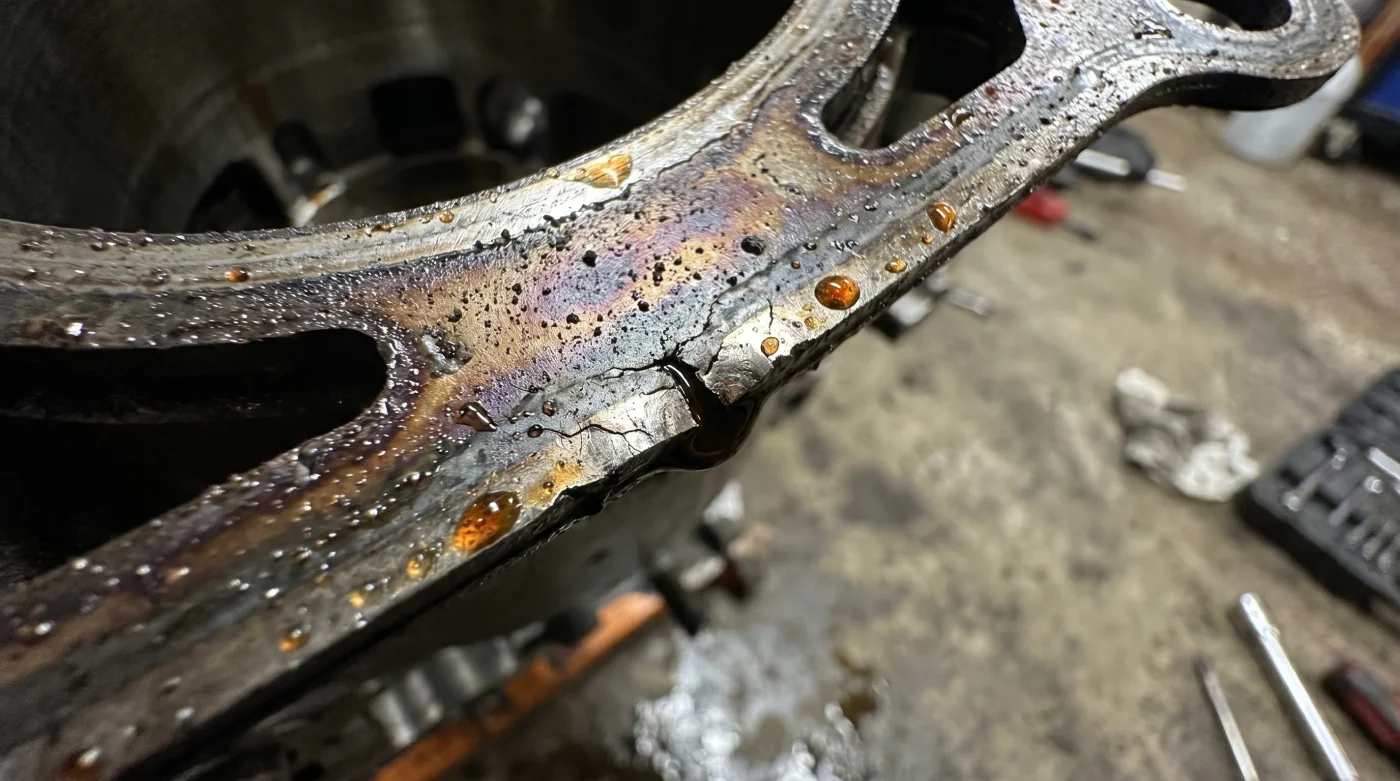
But physics demands a toll for this structural choice. Because of the layout, fluids rest horizontally against seals meaning the oil and coolant sit directly against the head gaskets when the vehicle is turned off. Over thousands of miles of heating up to 210 degrees Fahrenheit and cooling back down to freezing, those composite seals face a brutal thermal degradation cycle.
Unlike a traditional upright engine where gravity pulls fluids down into the oil pan away from the seals, the flat layout creates a perpetual bath of corrosive pressure. What you thought was a rugged engineering advantage is actually a vulnerability hiding in plain sight. The very design that keeps you planted on snowy roads is the same one slowly compromising the seal between the engine block and the cylinder heads.
It is a slow, creeping failure rather than a sudden explosion. Eventually, the temperature gauge starts fluctuating randomly, and the realization sets in that the outdoorsy companion you trusted is fundamentally flawed. The inevitable repair involves pulling the entire engine out of the bay—a financial hit that permanently alters the ownership experience.
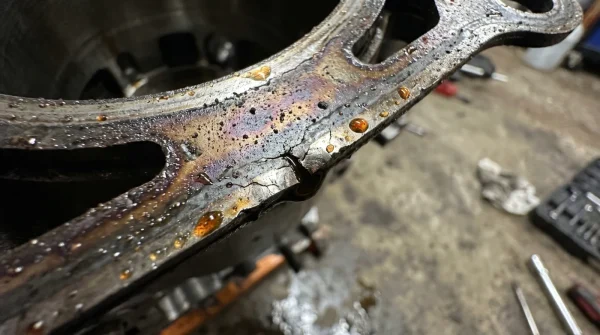
Talk to Dave Elias, a 54-year-old independent mechanic running a shop near Portland, Oregon, and he will just shake his head. He spends his days standing under lifted vehicles, covered in grime, pointing his flashlight at the telltale weeping streaks of green fluid running down the aluminum blocks. ‘They bring them in right around the 90,000-mile mark,’ Dave says, wiping his hands on a shop towel. ‘The owners always look shocked, like a trusted friend just lied to them. I have to tell them that the design itself is eating the gasket from the inside out.’
- Dealerships are hiding the best Ford F-150 trim for maximum towing capacity
- Mechanics reveal the 5-minute fluid rule that pushes a CVT transmission past 200,000 miles
- The fatal engineering flaw pushing Subaru Outback owners to buy Toyota RAV4s
- Dealerships are hiding the best Ford F-150 trim for maximum towing capacity
- Mechanics reveal the 5-minute fluid rule that pushes a CVT transmission past 200,000 miles
- Dealerships are hiding the best Ford F-150 trim for maximum towing capacity
- Mechanics reveal the 5-minute fluid rule that pushes a CVT transmission past 200,000 miles
- Dealerships are hiding the best Ford F-150 trim for maximum towing capacity
- Mechanics reveal the 5-minute fluid rule that pushes a CVT transmission past 200,000 miles
- Dealerships are hiding the best Ford F-150 trim for maximum towing capacity
When that four-figure repair bill hits the counter, the mental calculus of loyalty shatters completely. You start looking around the parking lot, realizing the Toyota RAV4 has become the default sanctuary for the disillusioned outdoorsman. Understanding why requires looking at the variations of this quiet defection.
Deep Segmentation: The Pragmatic Defection
For the Pure Pragmatist, you simply want to turn the key and get to work without staring anxiously at the dashboard dials. The competitor uses a standard, upright inline-four engine where gravity pulls corrosive fluids down into the oil pan while the car sleeps.
The seals simply do not face the same horizontal stress test. Your daily commute becomes a background detail rather than a mechanical gamble, because a predictable grace handles thermal cycling without punishing the internal seals of the block.
For the Weekend Warrior, if your weekends involve loading up kayaks or driving dusty logging roads, you still need capability. While you might lose an inch of that legendary grip in deep snow, you gain a massive psychological buffer. You finally stop packing an extra jug of antifreeze next to your camping stove.
For the Long-Term Investor, you buy cars to drive them into the ground over fifteen years. The financial reality of replacing a flat-engine head gasket destroys the total cost of ownership, so swapping to a conventional layout is a shift to active preservation of your savings.
Managing the Mechanical Reality
If you are still holding onto the flat-engine dream, or evaluating a used model on a dealer lot, you need to change your habits. Maintaining this layout requires a very specific routine to catch the thermal degradation before it warps the expensive aluminum heads.
Your first defense is entirely sensory. Get into the habit of opening the hood every second fuel fill-up, creating a baseline memory of where the pink or green fluid sits in the plastic overflow reservoir, because flat-engine survival requires strict routines that most drivers ignore.
Utilize this tactical toolkit to stay ahead of the curve:
- Check the underside of the oil filler cap. If you see a milky, frothy substance that looks like a cheap latte, coolant has already breached the oil passages.
- Monitor the temperature needle on steep grades. It should stay locked slightly below the halfway mark. Any upward drift under load is an early red flag.
- Schedule a coolant flush every 30,000 miles. Fresh coolant maintains its anti-corrosive properties, buying those horizontal seals extra time against chemical breakdown.
- Keep a bright LED flashlight in your glovebox. Once a month, shine it straight down the sides of the engine block from above, looking for dark, greasy streaks below the heads.
Reclaiming the Promise of the Road
The vehicles we choose are rarely just steel and rubber; they are physical manifestations of how we want to live. A wagon with a roof rack promises spontaneity, but when that machine demands constant vigilance, true freedom requires reliability over rugged aesthetics.
The migration toward upright engines is not a surrender of adventure, but a reclamation of peace of mind. It is the understanding that the best vehicle is the one you do not have to think about while you are driving it.
By recognizing the structural limitations of what sits under the hood, you stop fighting a losing battle against thermal physics. You make a choice that aligns with your actual life, trading a brilliant but flawed concept for the quiet confidence of functional design that simply works, morning after morning.
‘An engine layout should serve the driver’s peace of mind, not the other way around.’ – Dave Elias, Independent Master Mechanic
| Key Point | Detail | Added Value for the Reader |
|---|---|---|
| Engine Layout | Flat horizontal vs upright inline cylinders. | Predicts long-term maintenance costs and fluid degradation. |
| Fluid Dynamics | Gravity pulls fluids away from seals in inline engines. | Eliminates the anxiety of horizontal head gasket corrosion. |
| Repair Reality | Flat engines require full removal for gasket service. | Protects your wallet from sudden four-figure mechanic bills. |
Frequently Asked Questions
At what mileage do flat-engine head gaskets usually fail? Typically, the thermal degradation reaches a critical point between 80,000 and 100,000 miles, requiring intervention.
Can I prevent the head gasket from failing completely? You cannot change the physics of the horizontal layout, but strict 30,000-mile coolant flushes can slow the chemical corrosion.
Why does the Toyota RAV4 not have this problem? It uses a traditional upright inline engine, allowing gravity to pull corrosive fluids down into the oil pan away from the seals.
What is the first sign of a failing head gasket? A sweet, syrupy smell of burning coolant through the air vents or weeping fluid on the bottom of the engine block.
Is the handling difference noticeable if I switch vehicles? While flat engines offer a slightly lower center of gravity, modern suspension in upright compact SUVs makes the difference negligible for daily driving.