You are standing on the blacktop of a suburban dealership, the afternoon sun bouncing off an ocean of freshly washed sheet metal. The smell of hot asphalt mixes with the faint, waxy scent of tire shine. Right in front of you sits the apex predator: a TRD Pro, draped in an exclusive paint color, sitting high on forged aluminum control arms and internal bypass shocks. It looks less like a vehicle and more like a promise of weekends spent conquering distant canyons.
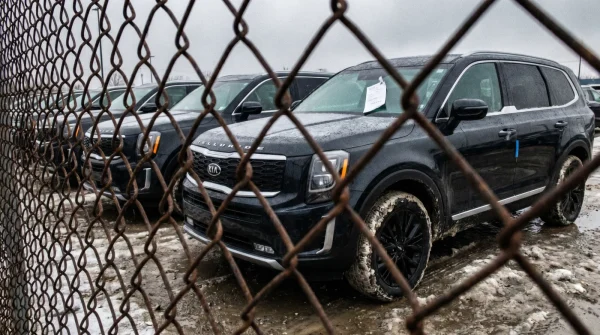
But look past the aggressive hood scoop and the wide fender flares. If you follow the rows back toward the chain-link fence, you will find the white and silver base models sitting quietly in the shadows. This is where the real mechanics, the fleet buyers, and the quiet pragmatists spend their money.
The standard script tells you that spending sixty thousand dollars on a factory off-roader guarantees you long-term value and capability. You pay for the badge, the skid plates, and the heavy-duty suspension, assuming you are buying into an ironclad resale market. Yet, the math of truck ownership operates on a much colder, less glamorous logic.
When you buy the base model Toyota Tacoma SR, you are not settling for less. You are buying a capable skeleton, a highly durable chassis stripped of the expensive liabilities that drag down long-term value as the miles pile up.
The Perspective Shift: Stripping the Fat
Think of modern truck trims like a heavily frosted wedding cake. The structural integrity is in the sponge and the dowels, but you end up paying an exorbitant premium for the delicate sugar roses on the outside. The TRD Pro is undeniably beautiful, but the moment those specialized suspension components age out and begin to leak, that premium becomes a massive financial anchor.
You have to pivot from buying a pre-packaged lifestyle to trying to understand the underlying architecture. The base SR model shares the exact same high-strength steel ladder frame as its six-figure siblings. When you strip away the branding, you are left with a depreciation curve that flatlines beautifully over a decade, because there are no luxury electronics or racing shocks to fail.
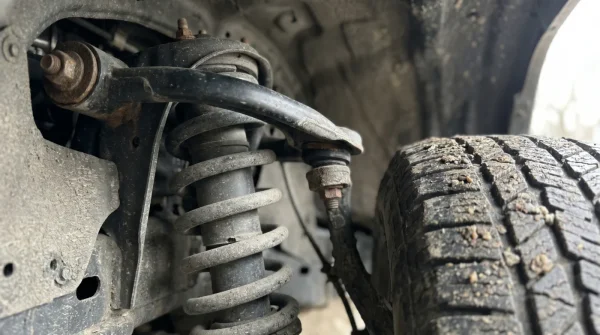
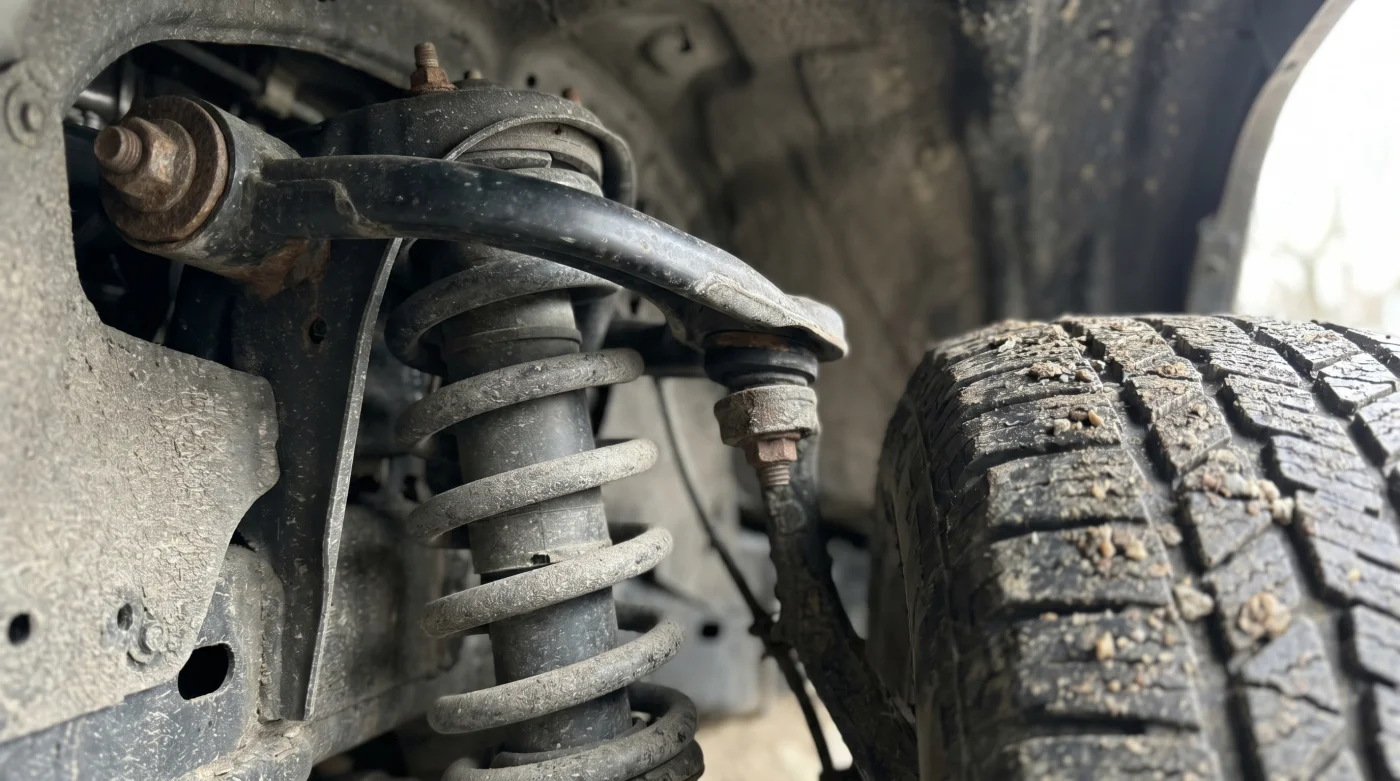
Mark Vance, a 48-year-old fleet maintenance supervisor in western Colorado, understands this better than anyone. He manages fifty mid-size trucks running daily across brutal mining roads. When it came time to buy his personal truck, he bypassed the showroom entirely and special-ordered a bare-bones Tacoma SR. Mark noticed a glaring pattern in the shop: the guys with the TRD Pros were weeping over three-thousand-dollar shock rebuilds at eighty thousand miles, while his base model required a mere afternoon and four hundred dollars to completely refresh the ride quality.
The Geometry of Need
A base model operates differently depending on the hands gripping the steering wheel. Instead of adapting your life to justify an expensive truck, you mold the raw metal to fit the exact contours of your daily routine.
- Sudden EV battery surplus forces unprecedented price cuts across major dealerships today
- Urgent recall issued for 30 million airbag inflators affecting highly popular commuter models
- The specific month you should buy a Kia Telluride to avoid the massive dealer markup
- The fatal engineering flaw pushing Subaru Outback owners to buy Toyota RAV4s
- Dealerships are hiding the best Ford F-150 trim for maximum towing capacity
- Mechanics reveal the 5-minute fluid rule that pushes a CVT transmission past 200,000 miles
- Sudden EV battery surplus forces unprecedented price cuts across major dealerships today
- Urgent recall issued for 30 million airbag inflators affecting highly popular commuter models
- The specific month you should buy a Kia Telluride to avoid the massive dealer markup
- The fatal engineering flaw pushing Subaru Outback owners to buy Toyota RAV4s
For the Weekend Contractor: You need a bed that can take a beating without inducing a panic attack. Dropping a load of cinder blocks into a pristine TRD Pro bed feels like a crime against nature. The SR model invites the scratches and dents of actual labor, functioning exactly as a piece of heavy equipment should.
For the Gravel Road Wanderer: The base suspension is surprisingly compliant on washboard dirt roads. You intentionally buy the ground clearance without paying for high-speed desert running capabilities you will never realistically use. Throw a set of aggressive all-terrain tires on the factory steel wheels, and you will comfortably traverse ninety-five percent of the trails in North America.
For the Long-Term Keeper: The simplicity of the SR cabin means fewer screens to delaminate, fewer motorized seats to fail, and a wiring harness that makes sense. Over a fifteen-year ownership span, this lack of complexity is the greatest luxury you can buy.
Building the Blueprint
Making the base model work for you requires a few deliberate, mindful choices. It is entirely possible to skip the dealership catalog and source your upgrades with intention. You are curating a truck, piece by piece.
Approach the modification process with a minimalist mindset. Only replace what you find lacking after driving the truck for a few thousand miles.
- The Tire Swap: Remove the factory highway tires immediately. Replace them with a 265/70R16 Load Range C all-terrain tire. This single change transforms the visual stance and dirt traction without ruining daily fuel economy.
- The Suspension Reality: Budget $600 for a quality set of aftermarket Bilstein shocks at the 60,000-mile mark. Contrast this with the $3,500 replacement cost of proprietary factory racing shocks found on the highest trims.
- The Interior Protection: Spend $200 on custom-fit, heavy-duty floor liners. The base cloth seats are highly durable, but keeping the carpets dry prevents the musty cabin smell that plagues older trucks.
- The Paint Strategy: Wash the single-stage white or silver paint once a month. The lack of metallic flake makes it incredibly easy to touch up rock chips with a simple paint pen, keeping the exterior looking fresh for years.
The Currency of Unbothered Miles
There is a distinct, quiet confidence in driving a vehicle that does not demand your constant financial anxiety. You will naturally breathe so much easier when a stray shopping cart or an overgrown branch scraping down the side of the bed does not equate to thousands of dollars in diminished resale value.
Mastering this detail—the deliberate choice of raw utility over dealership spectacle—fundamentally changes your relationship with the road. You stop worrying about protecting a heavy investment and start actually using the machine for its intended purpose. The smartest financial move is not buying the truck that holds its value on paper; it is buying the truck that costs almost nothing to keep.
“A truck is a tool, and the moment you start treating your hammer like a delicate porcelain teacup, you have bought the wrong tool.” – Mark Vance
| Key Point | Detail | Added Value for the Reader |
|---|---|---|
| Depreciation Curve | The base SR loses less total dollar value over 5 years than the TRD Pro. | Retain a higher percentage of your initial investment. |
| Suspension Replacement | Standard shocks cost $400-$600 vs. $3,000+ for TRD Fox internal bypass shocks. | Massive savings on routine 80k-mile maintenance. |
| Insurance Premiums | Lower MSRP and cheaper replacement parts lead to reduced monthly premiums. | Free up monthly cash flow for actual adventures. |
Frequently Asked Questions
Does the base SR model have four-wheel drive? Yes, you can configure the base SR with a highly capable 4WD system and a two-speed transfer case.
Are the factory steel wheels safe for off-roading? Absolutely. Steel wheels are actually preferred by many off-roaders because they bend instead of cracking under heavy impacts, and can be hammered back into shape.
Will I lose out on resale value when it is time to sell? Percentage-wise, base models often hold their value incredibly well because they are highly sought after by budget-conscious used buyers and tradesmen.
Can I upgrade the base stereo easily? Yes. The base dash configuration is straightforward, making aftermarket head unit installations much cheaper and easier than bypassing premium factory amplified systems.
Is the four-cylinder engine enough power? For daily driving, hauling light loads, and navigating trails, the modern turbocharged base engine provides more than enough torque while sipping fuel.