You step onto the dealership lot before the morning dew has burned off the asphalt. The air carries that faint, familiar tang of tire rubber and waxy polish. For the last thirty-six months, walking into one of these glass-walled showrooms felt like waiting in line for a nightclub you weren’t cool enough to enter.
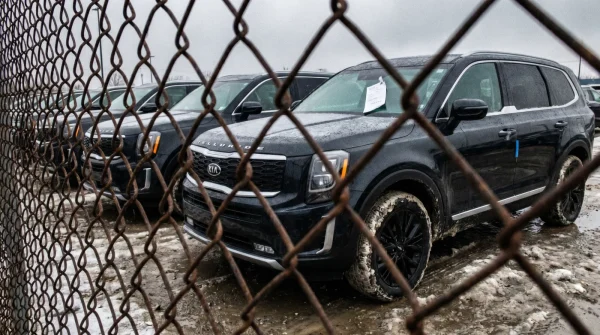
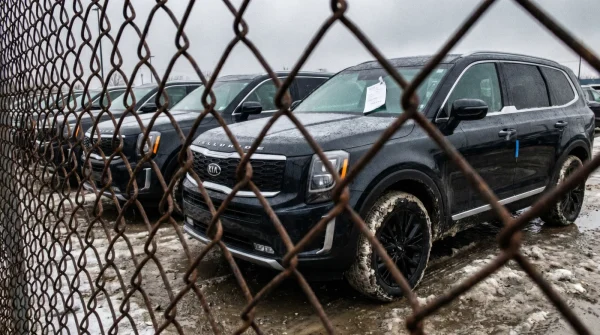
You were conditioned to expect empty spaces, shrugged shoulders, and clipboards promising a delivery date sometime next year. But today tells another story. The rows of heavy metal sit parked bumper-to-bumper, their windshields catching the flat morning light in absolute silence.
There are no waitlists to sign, and no allocation anxiety to stomach. Instead, there is a palpable tension radiating from the manager’s desk inside the showroom as they stare out at the crowded asphalt, sipping black coffee.
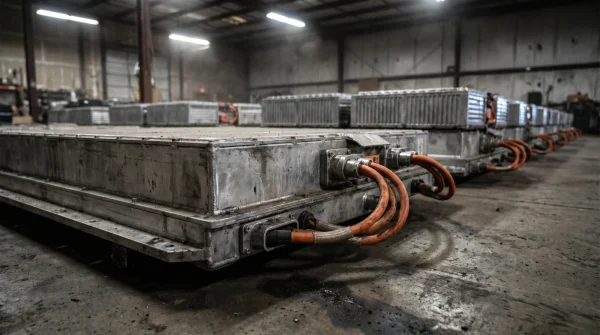
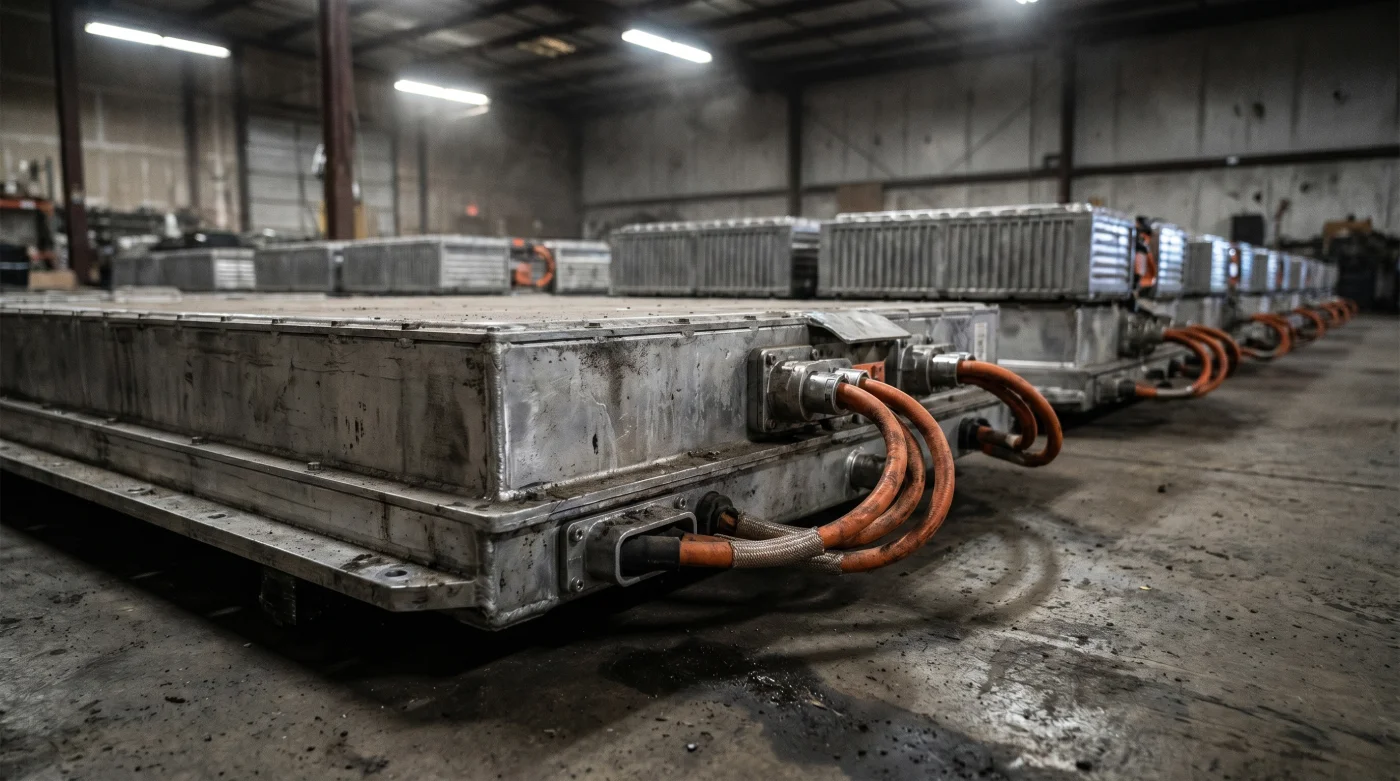
The reality of the situation is staggering. Warehouses over-ordered lithium packs, creating a massive bottleneck in reverse that has forced an immediate, quiet slash in prices—often up to 15 percent off the MSRP—just to stop the financial bleeding and move the metal off the lot.
The Phantom Shortage
It is easy to assume that buying an electric vehicle still requires playing a rigged game against the house. You might think the dealer holds all the cards, rationing out battery cells as if they were rare gems kept in a vault.
But the truth is much heavier, quite literally. An idle battery bleeds capital. These massive power units take up vast amounts of climate-controlled square footage, and they degrade slowly if they are not actively cycled and maintained.
The perceived shortage you read about on forums was actually a massive over-correction. Jittery logistics directors double-ordered components during previous supply chain panics, terrified of being caught empty-handed. Now, those delayed shipments have all arrived at exactly the same time.
This exact miscalculation becomes your absolute leverage. Your greatest buying advantage lies in solving their multi-million-dollar storage crisis, making that sudden 15 percent drop in sticker price a desperately pulled relief valve rather than a generous seasonal promotion.
Consider the daily reality of Marcus Thorne, a 48-year-old logistics coordinator at a massive battery staging facility in the Nevada desert. Just last winter, he was authorizing expedited air-freight and pleading with suppliers just to secure raw materials.
This week, he is actively diverting train cars full of finished packs. Pallets gather thick warehouse dust as Marcus stares at inventory spreadsheets, fully aware that thousands of assembled vehicles sit in holding lots, waiting for buyers that the algorithms falsely predicted.
- The specific month you should buy a Kia Telluride to avoid the massive dealer markup
- The fatal engineering flaw pushing Subaru Outback owners to buy Toyota RAV4s
- Dealerships are hiding the best Ford F-150 trim for maximum towing capacity
- Mechanics reveal the 5-minute fluid rule that pushes a CVT transmission past 200,000 miles
- Sudden EV battery surplus forces unprecedented price cuts across major dealerships today
- The specific month you should buy a Kia Telluride to avoid the massive dealer markup
- The fatal engineering flaw pushing Subaru Outback owners to buy Toyota RAV4s
- Dealerships are hiding the best Ford F-150 trim for maximum towing capacity
- Mechanics reveal the 5-minute fluid rule that pushes a CVT transmission past 200,000 miles
- The specific month you should buy a Kia Telluride to avoid the massive dealer markup
Navigating the Silent Surplus
How you leverage this inventory glut depends entirely on what you intend to do with your daily miles. The battery surplus is hitting different trim levels with varying degrees of force, requiring a tailored approach.
For the Pragmatic Commuter
If your daily driving loop is under forty miles, you are sitting in the sweetest spot of the current market. Dealerships drown in base models, which early adopters originally scoffed at while holding out for bigger, much more expensive configurations.
Because these standard-range packs sit completely idle, sales managers are quietly authorizing aggressive markdowns on these specific lot fixtures. You can easily negotiate a purchase or lease that rivals the monthly operational cost of a heavily used gas sedan.
For the Distance Driver
If you routinely cross state lines or deal with freezing winter temperatures that sap efficiency, you need the extended-range packs. These premium builds collect dust just as quickly, as manufacturers overproduced them assuming high-income buyers would absorb the cost indefinitely.
They miscalculated the impact of rising interest rates on luxury buyers. When you sit in that premium trim, breathing in the scent of fresh leather, casually mention that you noticed the build date is six months old, and watch the firm pricing structures melt away.
Your Tactical Buying Window
Taking advantage of this unprecedented MSRP drop requires a methodical approach. Mirror the stark lot reality back to the salesperson instead of aggressively haggling.
Start by identifying the inventory that has been sunbathing on the lot the longest. Track the factory build date, usually printed on a sticker inside the driver’s door sill, because a vehicle sitting for over 90 days represents maximum dealer panic.
Keep your strategy incredibly simple and mindful. Ground your offer in facts:
- Focus entirely on the out-the-door capitalized cost, referencing the widespread 15 percent market adjustment.
- Demand a battery health report; a car sitting for months needs a deep conditioning cycle at 72 degrees Fahrenheit before you sign.
- Check the tires for slight flat spots caused by lot rot, using this as further leverage to reduce the final number.
- If they mention other interested buyers, point directly to the overflowing inventory visible right outside the window.
The power dynamic has completely inverted, placing you firmly in the driver’s seat before you even hold the keys. You simply remain comfortably, patiently silent after making your firm offer, letting the heavy pressure of hundreds of unused lithium packs speak on your behalf.
The Bigger Picture
Securing a vehicle under these highly specific circumstances is about more than just saving money. You timed the system perfectly, taking advantage of an industrial maturation phase where frantic adoption has settled into calm access.
The lingering anxiety of overpaying is instantly replaced by a profound peace of mind. Making a smart, calculated decision feels like breathing through a pillow—soft, effortless, and deeply reassuring.
You recognized a massive logistical misstep in a global supply chain and stepped confidently into the gap. Drive away completely unbothered, knowing that quiet electric hum on the open highway simply sounds infinitely sweeter when you know exactly how much you outsmarted the room to earn it.
The hardest part of my job right now isn’t sourcing the raw materials; it’s finding enough solid asphalt to park the overstock. – Marcus Thorne, Logistics Coordinator
| Key Point | Detail | Added Value for the Reader |
|---|---|---|
| MSRP Drop | Immediate 15% reduction across major brands due to oversupply. | Lowers your upfront tax burden and drastically cuts monthly payments. |
| Standard Range Leverage | Base models represent the highest volume of stagnant inventory. | Perfect entry point for budget-conscious drivers with short daily commutes. |
| Lot Rot Metrics | Vehicles sitting untouched for 90+ days cost dealers daily interest. | Grants you maximum, unspoken negotiating power on the final sticker price. |
Why are EV prices dropping so suddenly today?
Supply chains overcompensated for past shortages, ordering too many lithium battery packs. Dealerships are now slashing prices to clear out this unexpected surplus of vehicles.
Is a battery safe if the car has been sitting on the lot?
Yes, but you must ask the dealer to perform a deep conditioning charge and run a health diagnostic before taking delivery to ensure cell balance.
Which EV trims have the biggest discounts right now?
Standard-range base models are seeing the most aggressive price cuts, though high-end extended-range trims are also highly negotiable due to slow luxury sales.
How do I check how long a car has been sitting?
Open the driver’s side door and check the manufacturing sticker on the sill. It will list the month and year the vehicle was built.
Should I lease or buy during an inventory surplus?
Leasing is incredibly strong right now. Dealers are using massive manufacturer incentives to artificially lower the capitalized cost, leading to historically low monthly payments.