Standing in a sterile, brightly lit showroom, the scent of fresh vegan leather and ozone hangs in the air. You touch the cold, flush door handle, preparing to inspect the panel gaps. Most buyers circle the vehicle, nodding approvingly at the newly darkened window trim or the sharper wheel designs, convinced they are seeing the entire update.
You might be staring right past the most significant alteration of the decade. We are trained to look at the skin of a car—the paint depth, the curvature of the headlights blending into the fender, the stitching on the seats. We shop with our eyes, trusting that the silhouette tells the whole story.
But underneath that quiet, sculpted exterior lies a fundamental shift in how vehicles are birthed into the world. It is the difference between painstakingly sewing a patchwork quilt and pouring a single, solid sheet of flawless metal. The change is visceral, though entirely hidden from the showroom lights.
The truth hides beneath the carpeted trunk liner. While the forums argue over the updated center console aesthetics and the improved suspension damping, the actual revolution is bolted silently to the rear subframe, quietly changing the DNA of automotive ownership.
The Skeleton Beneath the Skin
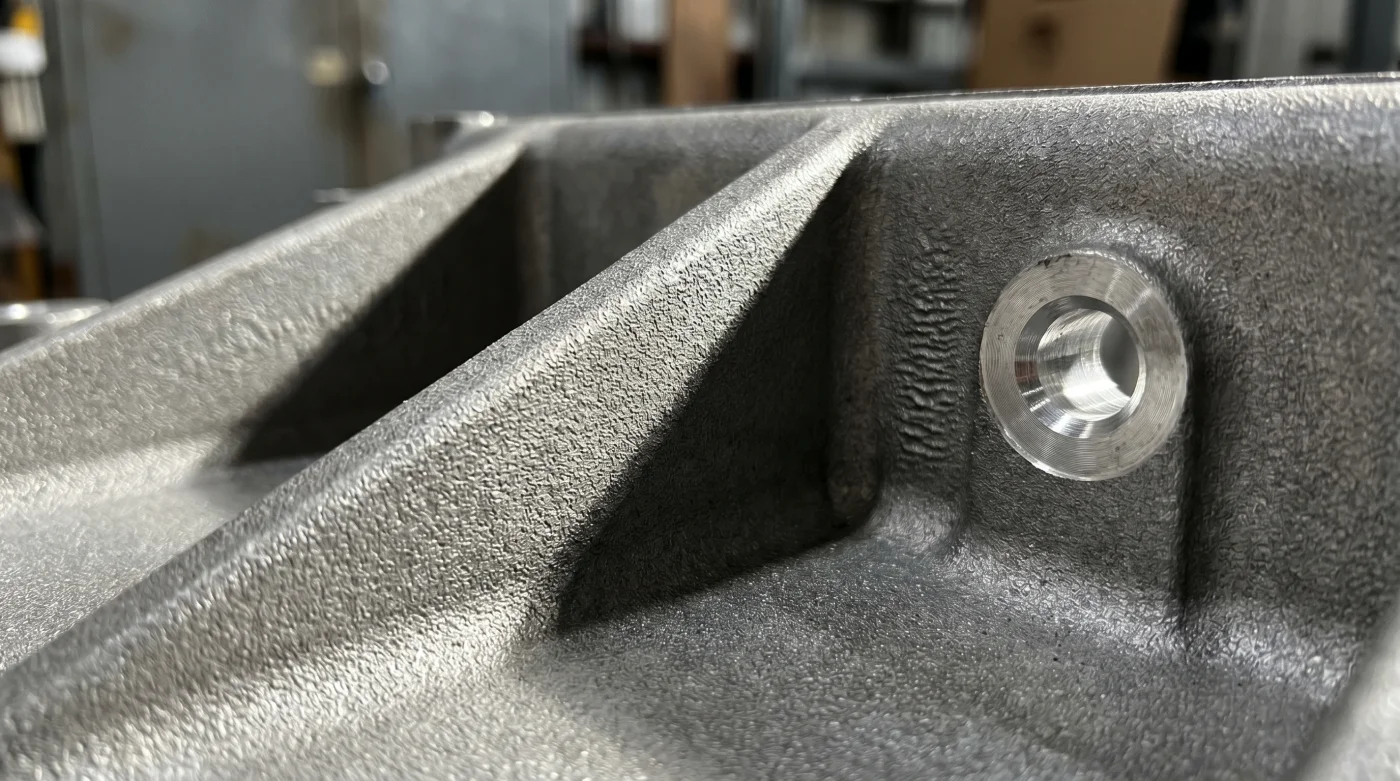
Think of a traditional car body as an origami swan, folded, glued, and spot-welded from dozens of separate pieces of steel and aluminum. Now, imagine replacing that fragile, creaky structure with a cast-iron skillet. The single-piece rear casting eliminated seventy individual stamped parts, replacing them with one high-pressure injection of molten aluminum.
It feels completely invisible until the exact moment metal meets metal in the real world. You are told this is a visual refresh, a simple tightening of the model’s belt. It isn’t. It is an engineering coup disguised as a cosmetic facelift, fundamentally altering the physics of the chassis.
The old way meant relying on sealants, rivets, and minute flexes to absorb the road. The new way means absolute rigidity, deadened road noise, and a completely different financial reality when an absent-minded driver taps your rear bumper at a crowded stoplight.
- The specific month you should buy a Kia Telluride to avoid the massive dealer markup
- The fatal engineering flaw pushing Subaru Outback owners to buy Toyota RAV4s
- The $15 OBD2 Scanner trick that instantly reveals if a used car was recently in a flood
- Dealerships are hiding the best Ford F-150 trim for maximum towing capacity
- Mechanics reveal the 5-minute fluid rule that pushes a CVT transmission past 200,000 miles
- Why ignoring the TRD Pro for the base Toyota Tacoma is the smartest financial move of 2024
- The simple maintenance habit quietly destroying your Honda CR-V resale value
- Sudden EV battery surplus forces unprecedented price cuts across major dealerships today
- Urgent recall issued for 30 million airbag inflators affecting highly popular commuter models
- The hidden structural change in the new Tesla Model Y that nobody is talking about
A Voice From the Shop Floor
Meet Sarah Jenkins, a forty-two-year-old collision estimator at a certified EV repair center outside Seattle. She spends her days running her hands along crumpled quarter panels, listening to the metallic groans of bent frames. ‘When the first new castings rolled in, we just stared at them,’ she noted last Tuesday. ‘We used to unpick forty welds to fix a rear quarter hit. Now? The math changed overnight, and nobody told the drivers.’
Who Pays for the Pour?
The transition to massive cast aluminum structures does not impact everyone identically. Depending on how you drive, store, and insure your vehicle, this invisible upgrade takes on very different meanings.
If you drive defensively, keeping your distance in heavy traffic, this structural shift means an eerily quiet cabin. For the cautious commuter, the lack of stamped parts rubbing together translates to fewer micro-creaks when pulling into a steep driveway or navigating a potholed street.
For the long-term holder planning to keep the vehicle past the hundred-thousand-mile mark, the casting acts as a permanent safeguard against structural rust and seam fatigue. It is a solid foundation that simply will not degrade like a stitched-together subframe exposed to years of road salt and moisture.
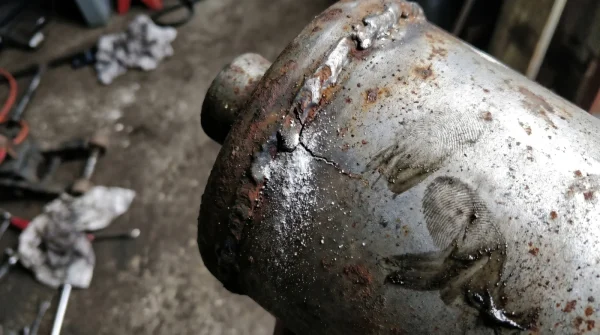
You have to look closer than ever before if you are buying on the secondary market. A standard history report tells a fraction of the story. Buying a second-hand model with a single-piece casting requires knowing exactly where the shear points are located, as a minor scrape is fine, but a replaced bumper cover might hide a fatal micro-fracture in the mega-casting.
Reading the Aluminum
Understanding what sits in your garage isn’t about memorizing torque specifications or welding temperatures. It is about knowing how to interact with the machine and the people who maintain it.
Here is how you adjust your ownership strategy to match this new manufacturing reality. Keep it simple, observant, and grounded in the physical reality of the materials.
- Check your insurance policies for specific replacement part coverage, as structural repairs now heavily favor total write-offs over complex sectioning.
- During your walkarounds, look past the paint; observe the alignment of the rear liftgate against the bumper, as the solid casting dictates flawless, unyielding geometry.
- When interviewing a collision shop after a fender bender, explicitly ask if they have a dedicated structural jig for high-pressure aluminum mega-castings.
Your tactical toolkit should include a small magnetic flashlight in your glovebox. The flashlight will remind you that magnets do not stick to aluminum castings—a quick trick to show a potential buyer exactly where the plastic cladding ends and the aerospace-grade skeleton begins.
The Weight of Empty Space
We naturally fixate on the visible because it is easy to comprehend. A blacked-out window trim or a slightly revised headlight pattern offers an immediate, tangible satisfaction that we can point to and understand.
Yet, real progress happens in the dark, dirty corners of a chassis. Eliminating seventy parts to create one solid mass is a masterclass in subtractive design. It is the automotive equivalent of clearing a cluttered desk—the mental and physical weight is simply gone, replaced by quiet purpose.
The next time you close the trunk and hear that solid, resonant thud, remember what isn’t there. You aren’t just driving a refreshed aesthetic; you are piloting a massive shift in how the future is built.
‘The best structural engineering is the kind you never notice until the day it saves you from a massive repair bill.’ — Sarah Jenkins, Collision Estimator
| Key Point | Detail | Added Value for the Reader |
|---|---|---|
| Part Reduction | 70 stamped components replaced by a single mega-casting. | Eliminates micro-rattles and long-term seam rust. |
| Repair Economics | Shifts from sectioning and welding to complete part replacement. | Faster repair times for minor hits, but higher risk of total loss on heavy impacts. |
| Market Inspection | Traditional visual checks miss structural fractures in the casting. | Empowers you to ask specific questions about rear alignment before buying used. |
Frequently Asked Questions
Does the single-piece casting change the car’s driving feel?
Yes, the massive increase in rear rigidity reduces body roll and eliminates the subtle flexing found in multi-part frames, resulting in a noticeably tighter, quieter ride.Will this structural change increase my insurance premiums?
It depends heavily on your provider. Some insurers favor the cheaper manufacturing costs, while others increase rates slightly due to the higher likelihood of a total write-off in moderate rear-end collisions.Can a body shop fix a cracked rear casting?
No. Unlike stamped steel frames that can be pulled, cut, and welded back together, high-pressure aluminum mega-castings lose their structural integrity once cracked and must be entirely replaced or written off.How can I tell if my model has the single-piece rear casting?
Checking the manufacturing date on your door jamb sticker is the most reliable method, as models produced after the tooling changeover at specific gigafactories carry the unified structure.Is this manufacturing method becoming the new industry standard?
Absolutely. The massive cost savings and weight reduction of mega-casting are forcing nearly every major automaker to completely rethink their assembly lines to stay competitive.